
G-Body platforms benefit from manual steering conversions‚ offering a direct feel and weight reduction; enthusiasts often rebuild Saginaw boxes for autocross applications.
Switching to manual steering eliminates power steering components‚ simplifying the system and potentially improving responsiveness for performance-oriented G-body builds.
What is a G-Body?
G-Body refers to a General Motors vehicle platform spanning 1978 to 1988‚ encompassing models like the Chevrolet Monte Carlo‚ Pontiac Grand Prix‚ Buick Regal‚ and Oldsmobile Cutlass.
These rear-wheel-drive cars are popular for modifications‚ including manual steering conversions‚ due to their relatively simple construction and aftermarket support. The platform’s widespread use means parts availability is generally good‚ facilitating steering box upgrades and rebuilds.
Enthusiasts appreciate the G-Body’s potential for performance enhancements‚ making it a prime candidate for projects focused on improved handling and driver feedback.
Why Choose Manual Steering?
Opting for manual steering on a G-Body delivers a more connected driving experience‚ eliminating the dampened feel of power steering. This direct feedback is favored by enthusiasts seeking precise control‚ particularly for autocross or road racing.
Weight reduction is another benefit‚ as removing the power steering pump‚ lines‚ and fluid contributes to improved vehicle balance. Furthermore‚ manual steering box setups can simplify the system‚ reducing potential failure points and maintenance needs‚ often involving a rebuild.

Understanding the Saginaw Steering Box
G-Body vehicles commonly utilize the Saginaw 600 series steering box‚ known for its durability and rebuildability; identifying the box is crucial for parts sourcing.
Saginaw 600 Series: A Common Choice
The Saginaw 600 series steering box is a prevalent and robust option for G-Body applications‚ favored for its readily available parts and relative simplicity. Many enthusiasts choose to rebuild these boxes themselves‚ or utilize rebuild services‚ to address wear and maintain performance.
Its widespread use means a wealth of knowledge and support exists within the G-Body community. The Saginaw 600 offers a good balance between affordability and capability‚ making it a practical choice for both street and performance driving. It’s a solid foundation for a manual steering conversion.
Identifying Your Steering Box
Determining your steering box type is crucial before sourcing parts or beginning a rebuild. The Saginaw 600 series is common‚ but variations exist. Look for stamped numbers on the housing; these indicate the specific model and ratio.
Carefully inspect the box for markings and compare them to online resources or parts catalogs. Knowing the original ratio is vital when considering upgrades or replacements‚ like a quick-ratio box from Turn One or Cardone.
Steering Box Ratios and Their Impact
Steering box ratios significantly affect steering feel and effort. A lower ratio (e.g.‚ 12:1) provides quicker steering response but requires more muscle. Higher ratios (e.g.‚ 16:1) offer easier steering at low speeds‚ ideal for street use.
Many G-body owners upgrade to quick-ratio boxes to improve handling‚ particularly for autocross or road racing. Consider your driving style and vehicle’s intended use when selecting a ratio; balance responsiveness with manageable effort.
Removing the Existing Steering Box
Removal involves disconnecting power steering lines (if equipped)‚ the steering linkage‚ and the mounting bolts securing the steering box to the frame.
Carefully label all connections for easier reassembly‚ and support the steering column during the process to prevent damage.
Disconnecting Power Steering Components (If Applicable)
Before removing the steering box‚ carefully disconnect all power steering lines. Begin by placing rags underneath to catch any fluid spillage‚ as hydraulic fluid can be messy and damaging to paint.
Loosen the fittings on the high-pressure and return lines‚ ensuring you have the correct wrenches to avoid rounding off the nuts. Once disconnected‚ cap the lines and ports to prevent contamination.
Remove the power steering pump and associated brackets‚ setting them aside for potential resale or storage. Remember to properly dispose of the old power steering fluid according to local regulations.
Removing the Steering Linkage
Prior to steering box removal‚ disconnect the steering linkage. This typically involves loosening and removing the pitman arm nut‚ often requiring a pickle fork or puller for separation.
Carefully detach the tie rod ends from the steering knuckles‚ noting their orientation for reinstallation. Labeling them can prevent confusion later.
Once the linkage is free‚ gently move it aside to provide clear access to the steering box mounting bolts. Ensure no linkage components are obstructing the removal process.
Removing the Steering Box Mounting Bolts
With the steering linkage disconnected‚ locate the steering box mounting bolts – typically accessed from beneath the vehicle. Use a 5/16” or 18mm socket‚ depending on the year and model.
Penetrating oil can be invaluable if the bolts are corroded. Carefully loosen and remove all mounting bolts‚ supporting the steering box with a jack or your hand as they come free.
Be prepared for the steering box to be heavy; controlled lowering prevents damage or injury.
Inspecting the Steering Box
Thorough inspection reveals play‚ wear‚ and leaks; check seals‚ hoses‚ and common failure points before rebuilding or replacing the G-body steering box.
Checking for Play and Wear
Assessing play is crucial; with the steering box installed‚ have an assistant gently rock the steering wheel back and forth while you observe the steering linkage. Excessive movement indicates internal wear within the gearbox itself.
Pay close attention to any noticeable looseness or “slop” in the system. Inspect the sector shaft for vertical play‚ and the worm gear for any signs of pitting or damage. A worn steering box will exhibit significant play‚ impacting steering precision and potentially creating a dangerous driving situation.
Inspecting Seals and Hoses
Thorough seal inspection is vital during a G-Body steering box overhaul. Carefully examine all seals – input shaft‚ sector shaft‚ and housing seals – for cracks‚ hardening‚ or deterioration. Leaks are a common symptom of seal failure‚ leading to fluid loss and reduced performance.
While converting to manual eliminates hoses‚ inspect any remaining connections for corrosion. If rebuilding a power steering box before conversion‚ check power steering lines for damage. Replacing all seals during a rebuild ensures a reliable‚ leak-free operation.
Identifying Common Failure Points
Excessive play is a primary indicator of G-Body steering box wear. Internal bearing surfaces‚ particularly the sector shaft bearings‚ often develop looseness over time. Inspect the worm gear and sector gear for chipped or worn teeth‚ contributing to imprecise steering.
Seal failure‚ leading to leaks‚ is another frequent issue. Adjuster plugs can become ineffective‚ unable to compensate for internal wear. A thorough inspection reveals these weaknesses‚ guiding rebuild or replacement decisions.
Rebuilding a G-Body Steering Box
Rebuilding involves disassembly‚ seal replacement‚ and bearing checks; detailed videos demonstrate the process‚ focusing on Saginaw boxes‚ requiring specific tools and parts for success.
Gathering Necessary Tools and Parts
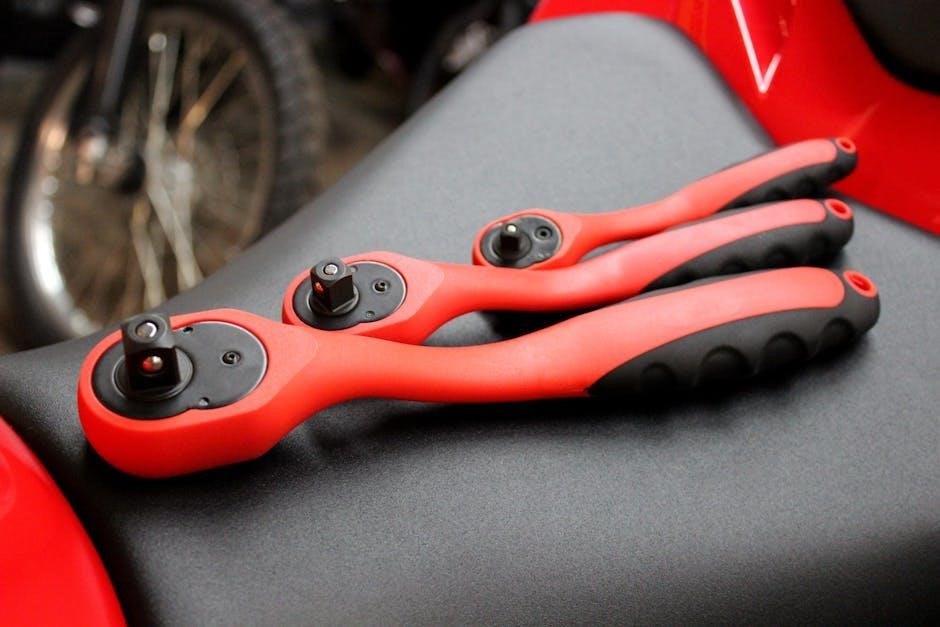
Successfully rebuilding a G-Body steering box demands a comprehensive collection of tools. Essential items include sockets (1 5/16mm‚ 18mm‚ 16mm)‚ a sturdy socket wrench‚ and penetrating oil for stubborn bolts.
Beyond tools‚ sourcing the correct parts is crucial. This includes a complete seal kit‚ replacement bearings‚ and potentially‚ shims for preload adjustment. Amazon and specialized parts suppliers offer these components. Consider OEM or Turn One parts for quality.
Having a clean workspace and organizational system will also greatly aid in the rebuild process‚ preventing lost parts and ensuring a smooth operation.
Disassembling the Steering Box
Begin by carefully removing the steering box cover‚ noting the position of internal components. Drain any remaining fluid before proceeding. Loosen and remove the adjusting nut‚ paying attention to the number of turns for reassembly reference.
Next‚ systematically remove the sector shaft‚ worm gear‚ and bearings. A puller may be necessary for stubborn parts. Document each step with photos to aid reassembly.
Inspect all removed parts for wear or damage. This detailed disassembly is vital for a successful rebuild and ensures proper functionality upon completion.
Replacing Seals and Bearings
Carefully install new seals‚ utilizing a seal driver to prevent damage. Pay close attention to the orientation of each seal during installation. Replace all worn bearings with new ones‚ ensuring they are properly seated within their races.
Lubricate the new bearings and seals with steering gear grease during assembly. Inspect the bearing bores for any imperfections before installation. This step is crucial for smooth operation and longevity.
Proper seal and bearing replacement eliminates leaks and restores precise steering control.
Adjusting Preload and Lash
Proper preload eliminates internal play within the steering box‚ ensuring immediate response and minimizing wandering. Adjust the preload using the adjusting screw‚ following the manufacturer’s specifications for torque.
Lash adjustment fine-tunes the steering feel‚ removing any looseness in the gear mesh. Carefully tighten the lash adjustment screw until minimal play is detected‚ avoiding excessive tightness.
Correct preload and lash settings are vital for optimal steering performance and longevity of the rebuilt Saginaw steering box.
Alternative Steering Box Options
Beyond rebuilding‚ Turn One‚ Cardone‚ and aftermarket quick-ratio boxes offer enhanced performance for G-bodies‚ providing tighter steering and improved road feel.
Turn One Steering Boxes
Turn One steering boxes are a popular upgrade for G-body enthusiasts seeking improved steering precision and durability. They frequently combine with a Saginaw 600 series box‚ offering a robust and reliable solution.
These boxes are often pre-set for optimal performance‚ reducing the need for extensive adjustments post-installation. Many users report a noticeable improvement in steering response and feel‚ making them ideal for both street and track applications. They represent a significant step up from a basic rebuild.
Cardone Steering Boxes
Cardone offers remanufactured steering boxes as a more budget-friendly alternative to new or fully rebuilt units for G-bodies. The Cardone 27-6550 is a frequently cited model‚ providing a direct replacement option for many applications.
While not offering the same level of performance as higher-end options like Turn One‚ Cardone boxes can effectively address slop and improve steering feel. They are a viable choice for restoring original steering functionality without a substantial investment.
Aftermarket Quick Ratio Boxes
Aftermarket quick ratio steering boxes significantly reduce steering wheel travel‚ enhancing responsiveness for performance driving in G-bodies. These boxes alter the steering ratio‚ requiring less input for a given wheel turn.
They are popular among those seeking improved handling and a more direct connection to the road. While more expensive than remanufactured options‚ quick ratio boxes offer a noticeable upgrade for autocross or spirited road use‚ addressing slop and improving control.

Installing the Rebuilt or New Steering Box
Installation involves carefully mounting the box‚ reconnecting the steering linkage and column‚ ensuring proper alignment for optimal function and a safe driving experience.
Mounting the Steering Box
Carefully position the rebuilt or new Saginaw steering box onto the frame‚ aligning the mounting points precisely. Utilize the original mounting bolts‚ ensuring they are tightened to the manufacturer’s specified torque.
Double-check that the box is securely fastened‚ as any looseness can compromise steering integrity and safety. Before fully tightening‚ verify the box isn’t binding or misaligned with the existing steering components.
Proper mounting is crucial for accurate steering geometry and long-term reliability.
Connecting the Steering Linkage
After securely mounting the steering box‚ reconnect the steering linkage components. This typically involves attaching the pitman arm and idler arm‚ ensuring proper alignment and secure fastening with the appropriate hardware.
Verify that all ball joints and connections within the linkage are in good condition and move freely without excessive play. Tighten all fasteners to the manufacturer’s recommended torque specifications.
Correct linkage connection is vital for responsive and predictable steering.
Connecting the Steering Column
With the steering box mounted and linkage connected‚ carefully align and connect the steering column to the steering box. This usually involves inserting the steering shaft into the box’s input shaft and securing it with a U-joint or coupling.
Ensure the steering wheel is centered before fully tightening the connection. Double-check that the shaft is properly engaged and secured to prevent slippage during operation.
Proper alignment prevents binding and ensures smooth steering function.

Adjusting and Aligning the Steering
Centering the steering wheel and a subsequent wheel alignment are crucial after installation‚ ensuring proper operation and preventing tire wear on your G-Body.
Centering the Steering Wheel
After installing a manual steering box on your G-Body‚ centering the steering wheel is paramount for safe and predictable handling. Begin by loosely installing the steering column connection. With the vehicle on a level surface‚ rotate the steering wheel until the wheels point straight ahead.
Then‚ tighten the steering column connection‚ ensuring the wheel remains centered. Minor adjustments might be needed; carefully observe wheel alignment and repeat the process if necessary. Proper centering prevents unwanted pulling and ensures optimal steering feel.
Checking for Proper Operation
Following installation‚ thoroughly check the manual steering box’s operation. With the engine off‚ turn the steering wheel lock-to-lock‚ listening for any binding or unusual noises. Verify smooth‚ consistent resistance throughout the steering range.
Ensure the front wheels respond accurately to steering input. Road test the vehicle cautiously‚ observing for any steering play or looseness. Address any issues immediately to guarantee safe and responsive handling characteristics on your G-Body.
Wheel Alignment After Installation
A precise wheel alignment is crucial after installing a new or rebuilt G-Body steering box. Changes in steering geometry necessitate professional alignment to ensure optimal tire wear and handling.
Specifically‚ check toe‚ camber‚ and caster settings. Incorrect alignment can lead to uneven tire wear‚ pulling‚ and compromised steering stability. Prioritize a thorough alignment to maximize the benefits of your steering upgrade and maintain safe driving conditions.
Troubleshooting Common Issues
Steering play‚ leaks‚ and noisy operation are typical concerns with G-Body manual boxes; addressing these promptly ensures optimal performance and driving safety.
Steering Play and Looseness
Excessive steering play in a G-Body manual steering box often indicates internal wear within the gearbox itself. This looseness can stem from worn bearings‚ a damaged worm gear‚ or a loose adjusting nut. Begin by checking the preload adjustment – tightening it can sometimes reduce play.
However‚ significant play usually necessitates a rebuild or replacement. Inspect the sector shaft for movement; excessive play here confirms internal component degradation. Remember‚ a quicker ratio box can sometimes feel looser due to increased sensitivity.
Leaks and Fluid Loss
While a manual steering box doesn’t utilize hydraulic fluid like power steering‚ leaks can still occur from the front seal of the gearbox. These leaks are typically caused by deteriorated O-rings or a worn seal‚ leading to lubricant escaping. Inspect the area around the input shaft for signs of seepage.
Addressing these leaks requires a rebuild‚ replacing the seals. Ignoring leaks can lead to internal damage from contamination and accelerated wear. Ensure proper lubrication during a rebuild to prevent future issues.
Noisy Steering Operation
Unusual noises emanating from the steering box often indicate internal wear or insufficient lubrication. Clunking sounds can signify excessive play in the sector shaft or worn bearings. A whining noise‚ though less common in manual boxes‚ might suggest a dry or damaged worm gear.
A thorough inspection and potential rebuild are necessary to pinpoint the source of the noise. Replacing worn bearings and ensuring adequate lubrication will typically resolve these issues‚ restoring smooth and quiet steering operation.
Resources for G-Body Steering Box Information
G-Body forums and dedicated online communities provide valuable insights‚ while parts suppliers offer rebuild kits and complete steering boxes for restoration projects.
Online Forums and Communities
G-Body specific online forums are invaluable resources for owners tackling manual steering conversions or rebuilds. These communities host detailed threads discussing Saginaw steering box options‚ ratios‚ and common issues.
Members frequently share experiences with Turn One and Cardone steering boxes‚ offering real-world feedback on performance and durability. You’ll find guidance on adjusting preload‚ identifying wear‚ and sourcing parts. Active discussions cover everything from initial diagnosis to complete installation procedures‚ providing a collaborative environment for troubleshooting and learning.
Parts Suppliers
Several suppliers specialize in G-Body steering components‚ offering both rebuilt and new steering boxes. Turn One Steering is a popular choice‚ providing Saginaw 600 series boxes and complete kits; Cardone Industries also offers remanufactured options‚ often readily available through auto parts retailers.
Amazon can be a source for seals‚ bearings‚ and other individual parts‚ while specialized performance shops may carry aftermarket quick-ratio boxes. Sourcing OEM pumps for rebuilds can be challenging‚ with costs around $160 for the pump plus $150 for a rebuild kit.
Technical Documentation
Detailed instructions for removing and installing power steering gear housings are available‚ aiding in manual conversion projects. Videos demonstrate complete seal replacement within a Saginaw steering box‚ covering disassembly and reassembly procedures. Resources detail removing power steering lines and mounting bolts.
Online forums and communities often host threads with step-by-step guides and troubleshooting advice. Factory service manuals provide comprehensive information‚ though may require purchase. Understanding the repair manual is crucial for proper gearbox removal and installation.
Cost Considerations
Rebuilding a Saginaw box is cheaper than replacement‚ but parts add up; a Turn One unit costs around $160‚ plus $150 for a rebuild kit‚ impacting budget.
Rebuild vs. Replacement
Rebuilding a G-Body Saginaw steering box presents a cost-effective solution‚ especially if the housing is in good condition‚ but requires time and mechanical aptitude. Sourcing parts‚ like seals and bearings‚ can be done affordably‚ though finding OEM pumps for rebuilds can be expensive.
Conversely‚ a complete replacement with options like Turn One or Cardone steering boxes offers convenience and a potentially quicker return to the road. However‚ new boxes generally carry a higher upfront cost‚ potentially exceeding the total expense of a thorough rebuild‚ depending on the extent of damage.
Ultimately‚ the decision hinges on budget‚ skill level‚ and the condition of the existing steering box.
Parts Costs
G-Body steering box rebuilds typically range from $100 to $300 for a complete seal kit‚ including bearings and O-rings‚ readily available online. Aftermarket bearings‚ similar to those used in rebuilds‚ can be found for around $20-$30. A new Cardone steering box averages between $160 and $250‚ offering a convenient alternative.
High-performance options‚ like Turn One steering boxes‚ can exceed $400. OEM power steering pump rebuilds‚ if needed for related components‚ can add another $150 to the total cost. These figures are approximate and vary by supplier.
Labor Costs (If Applicable)
Professional installation of a G-Body steering box‚ whether rebuilt or new‚ generally ranges from $300 to $600‚ depending on shop rates and location. Rebuilding the existing box in-vehicle can save on labor‚ but requires significant mechanical skill.
Disconnecting power steering components and aligning the steering after installation add to the time. Expect an additional $50-$150 for wheel alignment post-installation‚ crucial for proper handling and tire wear. DIY installation eliminates labor costs‚ but demands expertise.
Safety Precautions
Always disconnect the battery before starting work; use safety glasses and gloves during removal‚ rebuild‚ or installation of the steering box for protection.
Disconnecting the Battery
Before commencing any work on the steering system‚ or indeed any electrical component of your G-body‚ it is absolutely crucial to disconnect the negative terminal of the battery.
This simple step prevents accidental shorts and potential damage to the vehicle’s electrical system‚ including the steering column and any related sensors. Ensure the terminal is securely isolated to avoid accidental contact during the steering box removal and installation process. Safety first!
Proper Lifting Procedures
When removing the steering box from your G-body‚ remember that it can be surprisingly heavy. Always utilize a floor jack with appropriate jack stands for secure support.
Never work under a vehicle supported only by a jack. Ensure the vehicle is on a level surface and the jack stands are positioned on designated reinforced areas of the frame. Prioritize safety and stability throughout the entire process to prevent injury or damage.
Using Safety Glasses and Gloves
During steering box removal and rebuild on your G-body‚ protect your eyes with safety glasses to shield against flying debris and fluids. Wear work gloves to safeguard your hands from sharp edges and potential chemical exposure.
Old grease‚ rust‚ and metal shavings are common during this process. Proper personal protective equipment (PPE) minimizes risks and ensures a safer‚ more comfortable working experience. Prioritize your well-being throughout the entire operation.


About the author