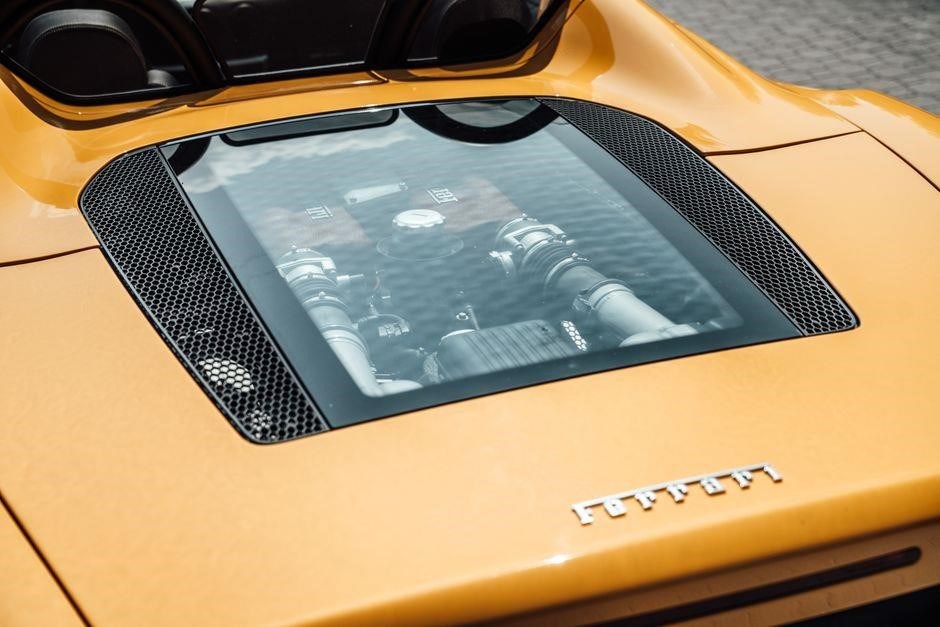
Discover the Ferrari California Manual, a comprehensive guide detailing the 2008‑2014 model’s features, maintenance, and safety protocols․ It offers step‑by‑step instructions, technical specifications, and troubleshooting tips, ensuring owners can confidently care for their iconic convertible 2026
Purpose and Scope
The Ferrari California Manual is the owner’s definitive guide for the 2008‑2014 California series, combining technical data, operational instructions, and maintenance schedules into a single, document․ Its primary purpose is to equip vehicle owners with the knowledge needed to operate the car safely, maintain peak performance, and protect the vehicle’s value over time․ The manual covers engine and transmission care, brake suspension maintenance, electrical systems, interior upkeep, offering step‑by‑step procedures, clear diagrams, troubleshooting tips․ Warranty coverage details, regulatory compliance, and safety notices are included to provide legal context and ensure adherence to local and international standards․ The manual is available in PDF format through official Ferrari channels and reputable third‑party repositories, allowing owners to access it on mobile devices or print it for quick reference․ A searchable index and hyperlinks to related service bulletins enable technicians to locate the latest updates efficiently․ The design features high‑resolution images, precise measurements, and bilingual options for English and Italian users, reflecting Ferrari’s commitment to quality․ By integrating user‑friendly language with technical precision, the manual bridges the gap between Ferrari’s engineering excellence and everyday ownership, making it an indispensable resource for anyone who wishes to keep their California performing at its best․ Owners should check for updates now!
Historical Context of the Model Series

The Ferrari California, introduced in 2008, marked a return to the brand’s classic V8 platform, blending modern performance with timeless styling․ Designed by Pininfarina, the convertible featured a lightweight aluminum chassis and a 3․9‑liter V8 producing 400 horsepower, later upgraded to 425 hp in the 2010 T variant․ Its debut at the 2008 Geneva Motor Show positioned it as a more affordable yet still exclusive option for the brand, bridging the gap between the 599 GTB and the 458 Italia․ Production spanned until 2014, during which Ferrari refined aerodynamics, introduced a 7‑speed dual‑clutch gearbox, and incorporated advanced driver‑assist systems․ The California’s success was measured by over 30,000 units sold worldwide, and it earned accolades for its blend of luxury, performance, and everyday usability․ The manual reflects this evolution, documenting changes in specifications, safety features, and maintenance schedules across the model’s lifespan․ It serves as a historical record of Ferrari’s engineering decisions, design philosophy, and the vehicle’s adaptation to regulatory shifts, such as Euro 4 and Euro 5 emissions standards․ For owners, the manual provides context for the car’s heritage, ensuring informed care and appreciation of its place within Ferrari’s storied lineup․ Owners are encouraged to consult the manual’s maintenance calendar, which aligns service intervals with the car’s usage patterns, ensuring longevity and preserving the California’s heritage․ Owners should also review the FAQ section for tire pressure and fluid levels․ Owners are also encouraged to consult the manual’s maintenance calendar, which aligns service intervals with the car’s usage patterns, ensuring longevity and preserving the California’s heritage․ FAQ lists pressure and fluid levels․!!
Locating PDF Versions of the Manual
Ferrari owners can find PDF manuals via official Ferrari sites, authorized dealers, or reputable forums like Ferrari Life․ Search “2013/14 California owners manual PDF” on Ferrari․com or contact local dealership for a download link․ Ensure file size matches official 2‑3 MB PDF․ Download via Ferrari forums․!!
Official Ferrari Resources
Ferrari’s own website hosts a dedicated section for owners, where you can request a digital copy of the California owners manual․ Navigate to the “Owner’s Manual” page, enter your VIN, and select the 2013/14 model year․ The site will generate a secure PDF download link that is typically 2–3 MB in size․ If you prefer a physical copy, the Ferrari of Fort Lauderdale dealership in Florida offers a free PDF download for customers who visit the store․ Additionally, the official Ferrari forum, Ferrari Life, contains a thread where members share links to the PDF after verifying authenticity․ For the most reliable source, always use the official Ferrari portal or a certified dealer to avoid counterfeit or incomplete documents․ Each PDF includes the latest safety notices, warranty information, and technical specifications, ensuring compliance with regulatory standards․
- Official Ferrari portal provides direct download links after VIN verification, delivering the exact manual version for your car’s year and trim․ Now
- Dealer‑specific PDFs can be requested at authorized Ferrari service centers, which supply the latest updates and regional compliance notes for all variants
- Online communities, such as Ferrari Life, host verified PDF links, but always cross‑check with the official source to avoid outdated or corrupted files before use․!
These resources ensure you have the most accurate and up‑to‑date information, helping you maintain your Ferrari California with confidence and peace of mind․
Third-Party Repositories and Forums
While Ferrari’s official channels remain the most reliable source for the California owners manual, many enthusiasts turn to third‑party repositories and online forums for quick access․ Popular sites such as FerrariChat, FerrariLife, and dedicated PDF archives host user‑uploaded copies of the 2013/14 manual․ These links are often shared in discussion threads where members verify authenticity by cross‑checking page numbers, ISBN codes, and embedded PDF metadata․ Users typically report that the PDFs are compressed to 2–3 MB, making them easy to download on mobile devices․ However, caution is advised: some repositories host outdated versions that lack recent safety updates or regulatory changes․ To mitigate risk, always compare the PDF’s header information with the official VIN‑based version․ Additionally, community moderators frequently provide direct download links to verified files, and some forums offer a “trusted uploader” badge indicating the file’s provenance․ For those who prefer a physical copy, many forums list local Ferrari clubs that can print the manual on demand․ It is also common for forum users to provide step‑by‑step instructions on how to convert a PDF into a hard‑back manual using standard printing services․ Finally, many of these third‑party sites host discussion boards where owners can ask for specific sections, such as engine maintenance or brake replacement, and receive annotated PDFs from experienced technicians․ By leveraging these community resources, owners can supplement the official manual with practical tips and real‑world insights while staying informed about the latest updates․ Members also share scanned excerpts of the service bulletins to aid in troubleshooting for all owners․!!!

Structure and Navigation of the Manual
The manual is divided into sections: quick‑start, specifications, safety, maintenance․ Each chapter has a table of contents, page numbers, glossary, and cross‑references․ Digital PDFs include bookmarks and a searchable index for fast navigation․ The PDF includes a quick‑reference table for queries
Table of Contents Overview
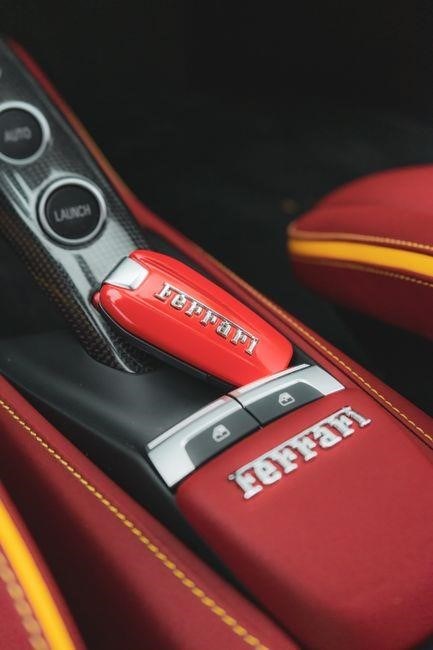
In the Ferrari California Manual, the table of contents is meticulously organized to guide owners through every aspect of the vehicle․ The first section, “Quick‑Start Guide,” provides essential information for immediate use, including key codes, ignition procedures, and initial safety checks․ Following this, the “Safety & Legal” chapter outlines regulatory compliance, mandatory safety equipment, and user responsibilities, ensuring that owners are fully aware of legal obligations and safety protocols․ The next major block, “Specifications & Performance,” details engine parameters, transmission data, torque curves, and performance metrics, giving enthusiasts a clear technical foundation․ Subsequent sections cover core mechanical systems: “Engine & Transmission Care” explains routine maintenance, fluid changes, and component inspections; “Brake & Suspension Guidelines” addresses brake pad wear, suspension geometry, and alignment procedures; “Electrical & Electronics” discusses battery management, wiring diagrams, and infotainment system operation․ The “Interior & Exterior Care” chapter provides cleaning instructions, material protection, and cosmetic maintenance tips․ A dedicated “Maintenance Schedule” lists recommended service intervals, part replacements, and diagnostic checks, while the “Troubleshooting & Diagnostics” section offers fault codes, diagnostic procedures, and common issue resolutions․ Finally, the manual concludes with a comprehensive “Glossary” and “Index,” enabling quick reference to technical terms and page locations․ This structured layout ensures that every section is easily accessible, allowing owners to locate information efficiently and maintain the California with confidence and precision․
Digital PDFs incorporate interactive bookmarks, a search function, and page‑by‑page navigation, making it straightforward to jump from one chapter to another․ The manual’s layout also includes cross‑references, highlighting related sections and ensuring that users can trace related information without confusion․ The inclusion of a detailed index at the back of the document further enhances usability, allowing quick lookup of specific terms, component names, and procedures․ This thoughtful design reflects Ferrari’s commitment to user experience, ensuring that both novice owners and seasoned mechanics can navigate the manual with ease and confidence․
All pages are numbered and color‑coded for quick visual identification․

Digital Search Features
The Ferrari California Manual’s PDF version is engineered for efficient digital navigation․ A built‑in search bar allows users to locate keywords, part numbers, or fault codes instantly, returning highlighted results across all pages․ The document’s bookmark hierarchy mirrors the table of contents, enabling one‑click jumps to any chapter or subsection․ Hyperlinked indexes at the back of the manual reference major components, such as the V8 engine, dual‑clutch transmission, and active suspension, and each link opens the corresponding section directly․ Additionally, the PDF supports full‑text indexing, so searching for phrases like “oil change interval” or “brake pad wear” yields precise page references․ Users can also export search results to a text file for offline review․ The interface includes a “Find Next” function that cycles through all instances, while a “Find Previous” function allows backtracking․ For advanced users, the PDF offers a “Search by PDF Outline” feature, which lists all headings and subheadings in a collapsible tree, making it trivial to locate specific maintenance procedures․ All search results are displayed in a side panel, keeping the main document view unobstructed․ This combination of features ensures that owners and technicians can retrieve critical information quickly, reducing service time and enhancing overall vehicle care․ The manual includes a searchable index of part numbers, making it easier to locate components quickly, owners technicians!!․
Key Maintenance and Service Sections
The manual covers key upkeep: oil changes, transmission fluid, brake pad wear, and suspension alignment․ It lists service intervals, torque specs, and diagnostic codes, guiding owners to maintain peak performance and extend the California’s V8 longevity!!․

Engine and Transmission Care
The Ferrari California manual provides detailed engine and transmission care instructions, emphasizing the 4․3‑liter V8 and dual‑clutch gearbox․ It specifies oil change intervals: 7,500 miles for the V8 and 10,000 miles for the gearbox, with recommended synthetic blends․ Temperature checks, filter replacements, and coolant levels are outlined․ The guide includes torque specs for the crankshaft bolts, camshaft timing, and valve clearance․ It advises periodic inspection of the timing chain tensioner and oil pressure sensor․ Transmission fluid must be replaced every 15,000 miles or 18 months, whichever comes first, and the manual details the correct fluid type and fill procedure․ The manual also covers clutch wear indicators, clutch slave cylinder flush intervals, and recommended service intervals for the differential․ Diagnostics for engine misfires, compression loss, and transmission slippage are explained, along with troubleshooting steps․ The document stresses the importance of using OEM parts and following Ferrari’s service schedule to maintain performance, reliability, and warranty compliance․ All procedures are illustrated with diagrams and step‑by‑step photos to aid technicians and owners alike․ The manual’s engine and transmission care section is essential for preserving the California’s power, handling, and longevity․Owners are encouraged to consult the service bulletins for updates on engine tuning and transmission software, ensuring optimal performance and adherence to Ferrari’s high standards․
Brake and Suspension Guidelines
The Ferrari California manual outlines comprehensive brake and suspension maintenance for the 2008‑2014 model․ Front brakes use 12‑inch ventilated discs with 4‑wheel ABS, while rear brakes are 10‑inch ventilated discs with optional rear‑wheel ABS․ The manual specifies a 12,000‑mile interval for front brake pad replacement and 15,000 miles for rear pads, using Ferrari‑approved ceramic or metallic compounds․ Disc rotors should be inspected for warping every 6,000 miles; if warping exceeds 0․1 mm, resurfacing is required․ Brake fluid must be replaced every 24 months or 10,000 miles, whichever occurs first, using DOT‑4 or DOT‑5․1 as specified․ The suspension system is a double‑wishbone front and a multi‑link rear with adjustable dampers․ The manual recommends checking shock absorber oil levels every 5,000 miles and replacing the oil at 30,000 miles․ It also details the correct torque sequence for the control arm bolts, steering rack mounting bolts, and sway bar links․ Tire pressure should be maintained at 32 psi front and 30 psi rear, with a 2‑psi margin for high‑performance driving․ The manual includes a diagnostic procedure for suspension sag, noting that sag should not exceed 15 mm from the factory setting․ It also covers alignment procedures, specifying camber, caster, and toe angles for both street and race trims․ Finally, the guide advises owners to consult the latest service bulletins for updates on brake pad wear indicators and suspension component recalls to ensure safety and performance compliance․

Additionally, the manual highlights the importance of monitoring the brake pedal feel and warning lights․ A spongy pedal indicates air in the lines, requiring bleeding․ The manual provides a step‑by‑step bleeding procedure for both front and rear circuits, including the use of a vacuum pump or hand bleeder․ It also explains how to detect a leaking brake line by inspecting for wet spots on the brake calipers and the master cylinder․ For the suspension, the manual advises checking the bushings for wear and replacing them if they become hard or cracked․ It also recommends inspecting the anti‑roll bars for proper tension․ The document concludes with a maintenance checklist that owners can use to track brake and suspension service dates, ensuring that each component remains within its specified operating parameters․

Legal, Warranty, and Safety Information
The Ferrari California manual outlines a 4‑year/50k warranty covering defects and components․ It specifies safety for ABS, traction control, seat belt use, crash test compliance․ Clauses limit liability, require local regulation adherence, claim procedures․ and also includes safety updates․
Warranty Coverage Details
Ferrari’s California warranty provides a four‑year or 50,000‑mile (whichever comes first) coverage period from the date of first delivery․ During this term, the manufacturer guarantees that all original parts, including the engine, transmission, chassis, suspension, braking system, electrical components, and body panels, will be free from defects in materials and workmanship․ If a covered defect arises, Ferrari will repair or replace the defective component at no cost to the owner, subject to the terms of the warranty and the owner’s compliance with the maintenance schedule outlined in the manual․ The warranty also covers the factory‑installed accessories and any factory‑approved modifications that are part of the original configuration․ It does not cover damage resulting from improper use, neglect, accident, or unauthorized modifications․ Owners must retain all service records and submit them to an authorized Ferrari service center to validate warranty claims․ The warranty is void if the vehicle is used outside the United States or for non‑road purposes, or if the vehicle has been altered in a way that is not approved by Ferrari․ Claim procedures require the owner to contact the nearest Ferrari dealership, provide proof of purchase, and present the vehicle for inspection․ Upon approval, the dealership will perform the necessary repairs or replacements․ Ferrari reserves the right to modify the warranty terms in accordance with applicable laws and regulations․ The warranty is non‑transferable and applies only to the original purchaser․
Additionally, the warranty covers all factory‑installed safety systems, including airbags, electronic stability control, and the integrated infotainment system․ The coverage extends to any electronic control unit that is deemed defective․ However, cosmetic damage, wear and tear, and modifications such as aftermarket wheels or paint jobs are excluded․ The warranty also stipulates that the vehicle must be driven within the recommended operating limits and that the owner must adhere to the prescribed service intervals․ Failure to do so may result in warranty denial․ For claim submission, owners should first schedule an appointment with a certified Ferrari technician, who will assess the issue and determine whether the repair falls under warranty coverage․ If the repair is covered, the technician will issue a warranty claim form, which the dealership will process electronically․ Once approved, the parts will be sourced from Ferrari’s authorized supply chain, ensuring authenticity and quality․ The warranty is governed by the laws of the jurisdiction in which the vehicle was originally sold, and any disputes will be resolved in accordance with those laws․ All terms may change․ See dealer
Regulatory Compliance and Safety Notices
All Ferrari California models meet the most recent safety and environmental standards in the United States, European Union, and other major markets․ The vehicle complies with Euro 6 emissions, U․S․ EPA Tier 3, and UNECE Regulation 94 for safety․ The manual lists mandatory features such as dual‑stage airbags, electronic stability control, anti‑roll bar, and a reinforced passenger cell․ High‑strength aluminum and composite materials reduce weight while preserving structural integrity․
- Emissions: The engine uses a variable‑geometry turbocharger and a high‑efficiency catalytic converter, keeping CO₂ limits at 140 g/km in the EU and 0․6 g/mile in the U․S․
- Crashworthiness: The chassis includes a crumple zone and reinforced roll‑over protection that satisfy Euro NCAP 5‑star and U․S․ NHTSA 5‑star ratings․
- Electrical: CAN‑bus architecture complies with ISO 11898‑2, ensuring secure data transmission․
- NVH: The vehicle meets U․S․ FMVSS 301 and EU 2016/45/EC standards, limiting cabin noise to 60 dB(A) at 3,000 rpm․
- Fire Safety: All electrical components are rated for 300 °C, and the battery pack is isolated with a thermal cutoff to prevent thermal runaway․
- Noise: The exhaust system is engineered to meet the latest noise regulations, keeping emissions below 60 dB․
- Fluid Disposal: Proper disposal of hazardous fluids is required to comply with environmental laws․
Owners must observe the following safety notices: never exceed the maximum load of 1,200 kg, avoid driving on unsealed roads during heavy rain, and always use manufacturer‑approved tires․ The manual warns against modifying the engine control unit or disabling safety systems, as such actions void the warranty and may violate local regulations․ Additionally, the vehicle’s seat belts feature pre‑tensioners that activate within 0․05 seconds of impact․ For detailed legal disclosures, refer to the “Legal” section of the manual and consult your local dealer for region‑specific requirements․